




Commercial HVAC systems typically last 12–18 years for rooftop units, 15–20 years for air handlers, and up to 30 years for chilled water systems when properly maintained.
Commercial HVAC systems are a major investment for any building owner or property manager. Understanding how long these systems typically last can help facilities plan maintenance, control repair costs, and prepare for future equipment replacement.
In Southeast Texas, HVAC equipment often operates under demanding conditions including high humidity, long cooling seasons, and exposure to coastal air. These environmental factors can influence how long mechanical systems perform before replacement becomes necessary.
Below is a general guide to the typical lifespan of commercial HVAC equipment and what building owners should expect.
Typical Lifespan of Commercial HVAC Equipment
While equipment longevity depends on maintenance, operating conditions, and installation quality, most commercial HVAC systems follow predictable life cycles.
| Equipment Type | Typical Service Life |
|---|---|
| Rooftop Units (RTUs) | 12 – 18 years |
| Air Handlers | 15 – 20 years |
| CRAC / Precision Cooling Systems | 15 – 20 years |
| Chilled Water Systems | 20 – 30 years |
| Compressors | 8 – 12 years |
| Exhaust Fans | 10 – 15 years |
| Water Heaters | 8 – 12 years |
These ranges represent typical conditions for commercial systems that receive regular preventative maintenance.
Without proper maintenance, equipment lifespan may be significantly shorter.
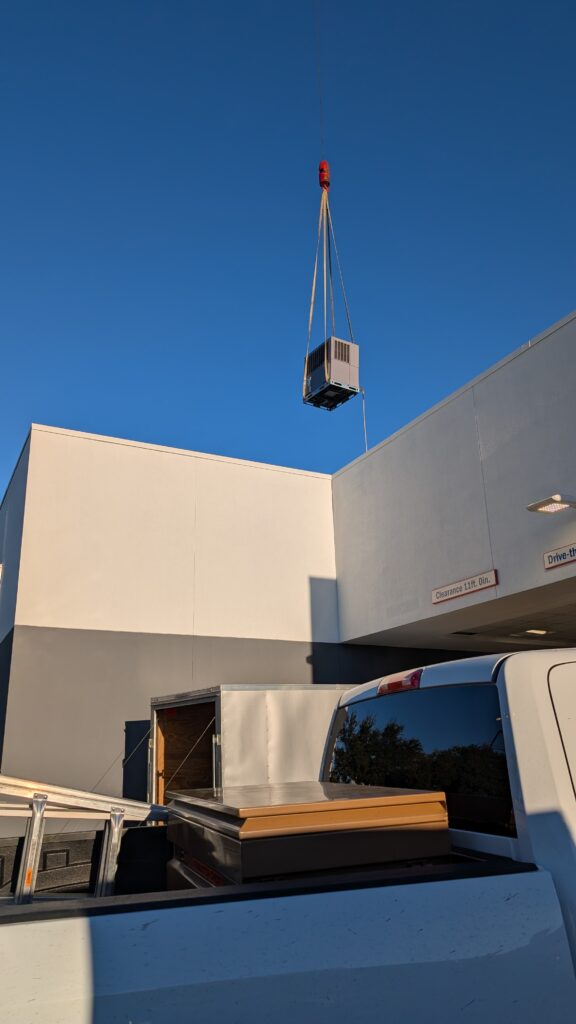
Why HVAC Systems in Southeast Texas Experience More Stress
The Southeast Texas climate places unique demands on commercial HVAC systems.
Some of the most common factors affecting equipment lifespan include:
High Humidity
Cooling systems must remove large amounts of moisture from the air, which increases the workload placed on compressors and evaporator coils.
Long Cooling Seasons
Unlike northern climates where equipment operates seasonally, commercial HVAC systems in Southeast Texas often run for much of the year.
Coastal Corrosion
Salt air and humidity can accelerate corrosion on rooftop equipment and mechanical components.
Heavy Building Loads
Facilities such as medical offices, retail environments, and industrial buildings often require continuous cooling, increasing wear on system components.
Because of these conditions, regular maintenance becomes even more important in protecting system longevity.
Signs a Commercial HVAC System May Be Near the End of Its Life
As HVAC systems age, certain warning signs often begin to appear. Property managers and building owners should watch for indicators such as:
• increasing frequency of repairs
• declining cooling performance
• rising energy costs
• compressor noise or vibration
• refrigerant leaks
• difficulty maintaining consistent building temperatures
When multiple issues begin occurring within a short period of time, the system may be approaching the end of its service life.
Repair vs Replacement: When Should Equipment Be Replaced?
One of the most common questions building owners ask is whether to repair aging equipment or replace it.
A common rule used in commercial mechanical planning is:
If the cost of repair approaches 30–40% of the cost of replacement, replacement may be the better long-term investment.
Replacement can provide several benefits including:
• improved energy efficiency
• more reliable operation
• reduced maintenance costs
• improved comfort and airflow
Planning replacement before a system fails also prevents unexpected downtime that can disrupt business operations.
The Importance of Preventative Maintenance
Preventative maintenance plays a critical role in extending the life of commercial HVAC systems.
Routine maintenance allows technicians to identify and correct small issues before they become major failures.
A professional maintenance program typically includes:
• filter replacement
• coil inspection and cleaning
• refrigerant pressure checks
• electrical component inspection
• motor and belt inspection
• thermostat calibration
Buildings that follow consistent maintenance programs often see HVAC systems operate several years longer than those that do not.
Planning Ahead for HVAC Replacement
Rather than waiting for equipment failure, many property managers prefer to plan replacement projects in advance.
Understanding the age and condition of building systems allows owners to prepare capital budgets and schedule upgrades at the most convenient time.
Mechanical system evaluations can help identify:
• aging equipment
• declining system performance
• future replacement timelines
• potential system upgrades
This approach allows building owners to make informed decisions about long-term mechanical investments.
Commercial HVAC Services in Southeast Texas
Generations Mechanical provides commercial HVAC maintenance, repair, and mechanical system evaluations for facilities throughout Southeast Texas including:
• Jefferson County
• Orange County
• Hardin County
• Chambers County
• Liberty County
Our technicians support commercial building systems across Beaumont, Port Arthur, Nederland, Orange, and surrounding communities.
Learn more about our Commercial HVAC Services or contact our team to schedule preventative maintenance for your facility.
Commercial HVAC Lifespan FAQ
How long do rooftop HVAC units last?
Most commercial rooftop units last between 12 and 18 years depending on maintenance quality, operating conditions, and system workload. In Southeast Texas, high humidity and long cooling seasons may shorten equipment lifespan if preventative maintenance is not performed regularly.
How often should commercial HVAC systems be serviced?
Commercial HVAC systems should typically be serviced at least twice per year, with many facilities benefiting from quarterly preventative maintenance visits to ensure reliable performance.
What is the most expensive part of a commercial HVAC system?
The compressor is often the most expensive component in many commercial HVAC systems. Compressor failure can require major repairs or full system replacement depending on equipment age.
Can preventative maintenance extend HVAC life?
Yes. Routine maintenance such as filter changes, coil cleaning, refrigerant checks, and electrical inspections can significantly extend the lifespan of commercial HVAC systems and reduce the risk of unexpected breakdowns.
How do I know when to replace commercial HVAC equipment?
Common signs include frequent repairs, declining efficiency, rising energy costs, and difficulty maintaining consistent building temperatures. When repair costs approach 30–40% of replacement cost, replacement may be the better long-term option.